Introduction
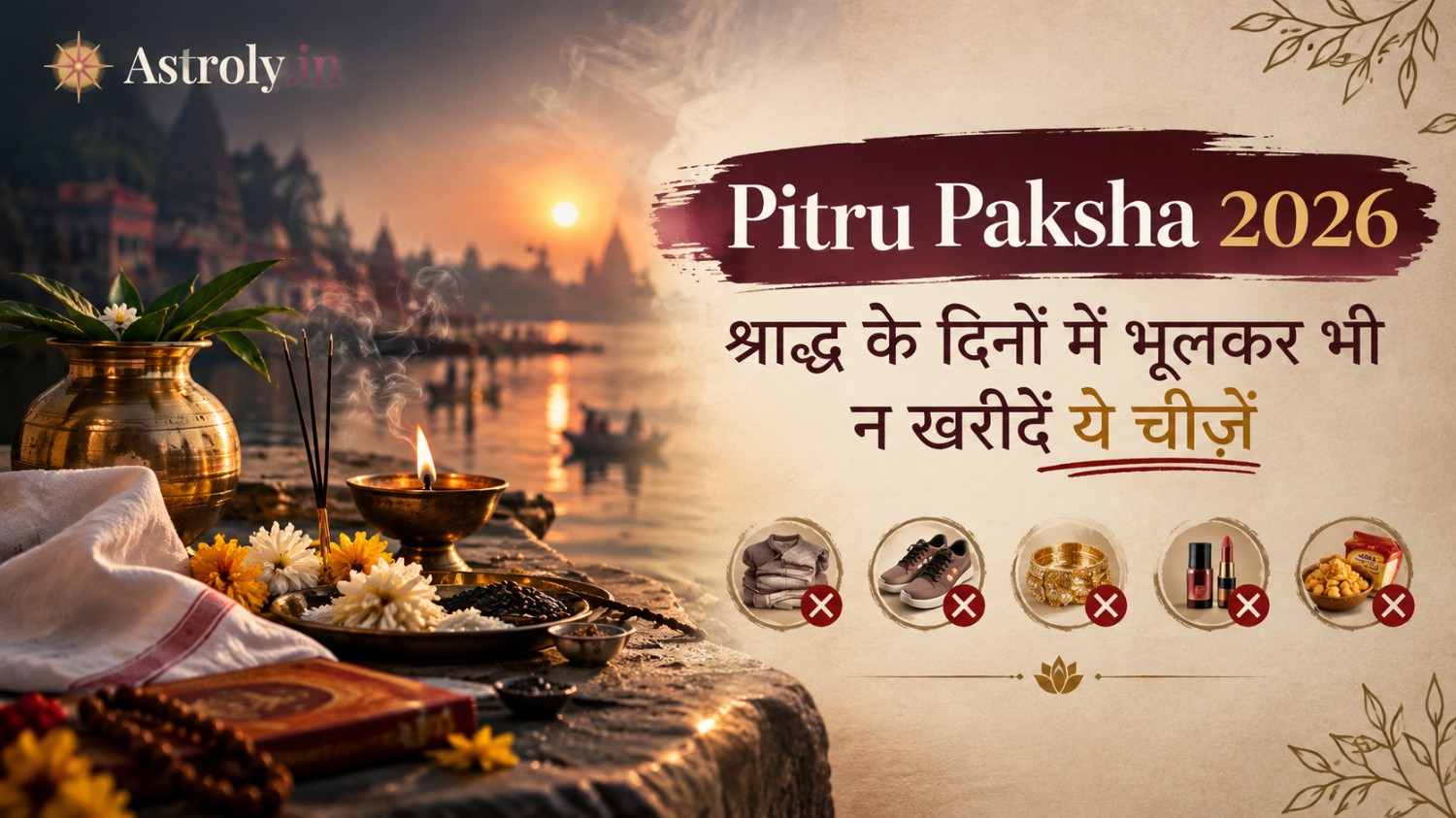
Pitru Paksha 2026 is a period of humility, thankfulness, and reverence. For sixteen days in September, Hindu families turn their attention to their ancestors—offering Shraddha, Tarpan, food, and charity—and gently set shopping aside. The idea behind Pitru Paksha 2026: Do Not Buy These Items During Shradh Days is not that everything new brings misfortune. It is simpler than that: the fortnight is about remembrance, not celebration, so unnecessary buying waits.
Think of it as a change of focus rather than a list of fears. During Shradh, families redirect their energy from acquiring things to honoring people—the parents, grandparents, and generations whose values shaped the household. Buying a luxury item in the middle of that feels off-key, the way loud music feels off-key at a prayer meeting. Nothing is cursed; the timing is simply wrong. That distinction matters, because it keeps the tradition humane: essentials are always acceptable, and every family observes in its own way.
What follows is a clear, practical guide in that spirit: why the fortnight asks for simplicity, the seven categories of purchases traditionally postponed, what remains perfectly fine to buy, how food and conduct shape the sixteen days, and what to do instead—and answers to the questions families ask every year.
Pitru Paksha 2026: Why Shradh Days Ask for Simplicity
The reasoning is gentle and worth understanding before the list.
A fortnight of remembrance, not celebration
Pitru Paksha dedicates sixteen days of the Bhadrapada-Ashwin months to the pits—the ancestors. Each lunar tithi honors those who passed on that tithi through Shradh rites of pinda, water, sesame, and satvik food. The underlying feeling is closeness, not dread: the departed are near, and the family's offerings of memory and gratitude reach them. A period built on such tenderness naturally makes room for quiet—which is why Pitru Paksha 2026 Do Not Buy These Items During Shradh Days reads as guidance toward restraint rather than a set of prohibitions.
New beginnings belong to the festivals ahead.
Hindu custom ties major purchases to auspicious beginnings—and beginnings have their season. Navratri and Diwali, arriving right after Shradh, are the festivals of fresh starts: new clothes, new gold, new vehicles, and new ventures. Pitru Paksha is the reflective pause before that season. Buying a car or a flat during Shradh is not "bad luck" in any mechanical sense; it simply spends the energy of celebration during days meant for contemplation. Tradition asks you to hold the excitement for two weeks, then enjoy it fully.
Simplicity over ostentation
The deepest message of the fortnight is about proportion. For sixteen days, the household practices wanting less—simpler food, quieter evenings, and attention turned backward toward the generations that built the family. In that atmosphere, extravagant spending feels out of tune. The tradition is not anti-wealth; many of its most faithful observers are prosperous families. It is pro-perspective: a yearly reminder that gratitude matters more than acquisition, practiced right before the year's biggest shopping season.
Seven Things Traditionally Not Bought During Shradh Days
The classic list, with the practical nuance each item deserves.
1. Jewellery and gold
Gold, diamonds, and expensive jewelry are inseparable from new beginnings, prosperity, and celebration—precisely what Shradh days set aside. Most families postpone such purchases until the fortnight ends. But note the humane distinction tradition makes: jewellery bought for luxury is frowned upon, while a piece needed urgently for practical reasons is a different matter entirely. The message is that simplicity carries more value than ostentation, not that gold itself is forbidden.
2. New clothes for celebration
Many people avoid buying expensive new outfits during Pitru Paksha—wedding wear, festival finery, and celebratory clothing can all wait a fortnight. Shradh is a time for introspection, not social display. At the same time, there is no need to fear buying essential clothing: children's school uniforms, work necessities, and daily wear. The custom draws its line at celebration, and Pitru Paksha 2026 Do Not Buy These Items During Shradh Days has always understood the difference between vanity and need.
3. A new car or luxury vehicle
Bringing home a new vehicle is traditionally an auspicious milestone, often marked with a puja—which is exactly why families prefer not to do it during Shradh. Many choose to take delivery or complete registration after the fortnight, sometimes timing it for the festive days that follow. That said, genuine urgency is respected: a vehicle needed for work, health, or family duties is a practical need, judged on its own terms rather than by the calendar.
4. Property, plots, and new homes
A new house or plot is the greatest of new beginnings, so property purchases, bhoomi pujan, and griha pravesh are traditionally kept out of Pitru Paksha. Registry offices see the pattern every year—quiet through Shradh, busy from Navratri onward. Importantly, you do not need to halt ongoing matters: current legal paperwork, unavoidable dealings, and in-progress transactions continue normally. The custom concerns deliberately choosing Shradh days to begin something new, not freezing life itself.
5. Home decoration and luxury furniture
Costly furniture, decorative pieces, and major home-renovation purchases can also wait. Spending extravagantly on beautifying the home sits oddly beside a fortnight devoted to ancestral remembrance and simplicity. But repairs and replacements are not the same as decoration—fixing what is broken, replacing a dead appliance, and attending to something the household genuinely needs has always been acceptable. The tradition restrains indulgence, not maintenance.
6. Wedding and engagement purchases
During Shradh, families commonly hold back on wedding jewelry, engagement rings, bridal outfits, and other ceremonial items—purchases intimately tied to celebration and good fortune. These can usually be scheduled for after the ancestral period without any loss. Routine planning may continue quietly in the background; it is the ceremonial buying, the festive part, that waits its turn.
7. Non-essential luxuries of every kind
The catch-all category: expensive electronics, designer accessories, and luxury upgrades bought purely for pleasure. The point was never to produce a long list of forbidden things—it is to shift the household's focus from pursuing more to appreciating what generations past have already given. Pitru Paksha 2026: Do Not Buy These Items During Shradh Days. At heart, it is sixteen days of gratitude practice. Medicines, education, household necessities, and children's needs were never part of the question.
What Remains Perfectly Fine to Buy
The other half of the picture—because fear was never the point.
Daily essentials, without hesitation
Groceries, medicines, children's requirements, school supplies, and household consumables—buy them as normal. No tradition asks a family to suspend daily life for sixteen days, and no elder would suggest it. The shopping restraint of Pitru Paksha targets discretionary and celebratory spending; the atta, dal, and pharmacy bills continue exactly as before.
Repairs and genuine replacements
The refrigerator that died, the phone that drowned, the shoe sole that gave up—replacing what is broken is maintenance, not indulgence. Tradition has always recognized this distinction clearly. When elders say "naya mat kharido" during Shradh, they mean the festive, the luxurious, the celebratory—not the necessary. A household that cannot function helps nobody, ancestors included.
Ongoing commitments and paperwork
EMIs continue, rents get paid, and in-progress legal and property matters proceed. A booking amount paid before the fortnight is generally considered fine; most families simply pause further payments and schedule delivery afterward. Dealers, builders, and jewelers know this seasonal rhythm intimately—a fortnight's patience is the most routine request they receive. Nobody's life needs to stall; only the celebrations wait.
Food, Conduct, and the Household's Rhythm
Shradh shapes how the home feels, not just what it buys.
The satvik table
Through the fortnight, many households eat simply—vegetarian food without onion or garlic, no alcohol. The Shradh offering itself is satvik, and the family table mirrors it. Observance varies: some keep all sixteen days; others keep just the Shradh tithi strictly. Either way, the direction is toward lighter, cleaner eating. People who try it often remark, with some surprise, that the fortnight left them feeling clearer and calmer.
A composed household
Loud parties, celebrations, weddings, and engagements are traditionally kept out of these sixteen days. Some families also avoid haircuts and shaving, especially on the Shradh day. The mood is not gloomy—composed is the better word. Evenings turn to stories: grandparents remembered aloud, old photographs brought out, and children learning names they will one day pass on. This inward turn is the real observance; the shopping list is only its outer edge.
Regional and family differences
Customs genuinely differ—the South's Mahalaya Paksha has its own traditions, and strictness varies from family to family. None of this is a problem. Tradition is inherited from your elders, not downloaded from the internet. When practices differ, the family's own way is the right way. The main purpose of these gentle restraints was always gratitude, charity, and remembrance—never uniformity, and never fear.
What to Do Instead: The Meaningful Half
Every restraint in Shradh has a corresponding observance.
Perform the Shradh rite.
This is the center of the fortnight, and everything else frames it. The rite is performed on the lunar tithi of the ancestor's passing—ideally in the afternoon hours—with offerings of pinda, water, sesame seeds, and satvik food. Where the exact tithi is unknown, Sarvapitri Amavasya, the closing day, covers all ancestors together. Regional procedures differ, so the family pandit remains the best guide; local knowledge outweighs anything written here.
Give and feed
Charity during Pitru Paksha is considered especially meaningful — feeding the poor, donating grain, clothes or money in an ancestor's name. Many families feed crows, cows and dogs through the fortnight, each carrying traditional significance. These acts of giving are the fortnight's positive counterpart to its restraints: where buying pauses, giving continues. It is a beautiful symmetry when you notice it.
Remember, actively
The simplest and most important observance needs no priest and no purchase: remembrance. Speak their names. Tell the stories — the funny ones, not just the solemn ones. Show the children the photographs and tell them who is who. A fortnight spent remembering well does more honour to the departed than any ritual performed mechanically. Sixteen days of attention is a gift few generations ever receive.
Frequently Asked Questions
What is Pitru Paksha 2026?
Pitru Paksha 2026 is the sixteen-day Hindu fortnight in September devoted to honouring ancestors through Shradh rituals. Each day corresponds to a lunar tithi; families perform rites on their ancestor's tithi, or on Sarvapitri Amavasya — the final day — which covers all ancestors together.
Which items should be avoided during Shradh days?
Traditionally: jewellery and gold, celebratory new clothes, vehicles, property, luxury home décor and furniture, wedding and engagement purchases, and non-essential luxuries. Our full guide to Pitru Paksha 2026: Do Not Buy These Items During Shradh Days explains each with its practical exceptions — essentials and genuine necessities are always fine.
Can I buy essentials during Pitru Paksha?
Yes, without hesitation. Groceries, medicines, children's needs, repairs and genuine replacements are necessities, not celebrations. The tradition restrains indulgence — it never asked anyone to suspend daily life.
What if I already booked something before Shradh?
Commitments made before the fortnight are generally fine. The usual practice is to pause further payments and take delivery after it ends. Sellers across India know this rhythm well and accommodate it routinely.
What food is avoided during the fortnight?
Many households eat satvik through Pitru Paksha 2026 — vegetarian, without onion or garlic, no alcohol. At minimum, the family's Shradh day is kept fully satvik in most observing homes.
When does Pitru Paksha 2026 end?
With Sarvapitri Amavasya, the new-moon day that closes the fortnight. Navratri begins the next day — opening the festive season of celebration, new beginnings and, yes, shopping, that Shradh so deliberately pauses.
Conclusion
Sixteen days of simplicity, and then the lights of Navratri. That has been the rhythm for centuries: remember first, celebrate after. Pitru Paksha 2026 Do Not Buy These Items During Shradh Days is not a list of fears — it is a fortnight of perspective, asking only that new things wait their turn while the household honours the old ones. They will wait. They always do.
So keep the big purchases on hold, keep the table simple, perform the Shradh with sincerity, give something to someone who needs it — and tell your children a story about their grandparents. When the Amavasya passes and the festive drums begin, you will step into the season with a clearer heart and, as the elders smile and say, better luck too.
Download the Astroly app for daily update — Pitru Paksha tithi reminders, Shradh dates and daily panchang on your phone, through the fortnight and all year round.