Introduction
It was almost 2 AM and I couldn't stop thinking about a decision I had to make by Monday. Calling my astrologer wasn't an option — she doesn't do 2 AM. So I opened an AI astrologer app instead, mostly out of curiosity, half-expecting some generic "the stars are aligned for you" nonsense.
I didn't get that. What I got was a surprisingly specific breakdown based on my actual birth chart, and honestly, it helped.
That's the thing about an AI astrologer — it's not trying to replace the wise old astrologer down the street. It's there for the moments when you need a quick, honest read on your chart and you need it now, not in three weeks when her calendar opens up.
If you're skeptical (I was too), stick with me. I'll walk you through what these tools actually do, whether they're worth trusting, and what to look for if you want to try one yourself — including Astroly, the app I ended up sticking with.
So What Exactly Is an AI Astrologer?
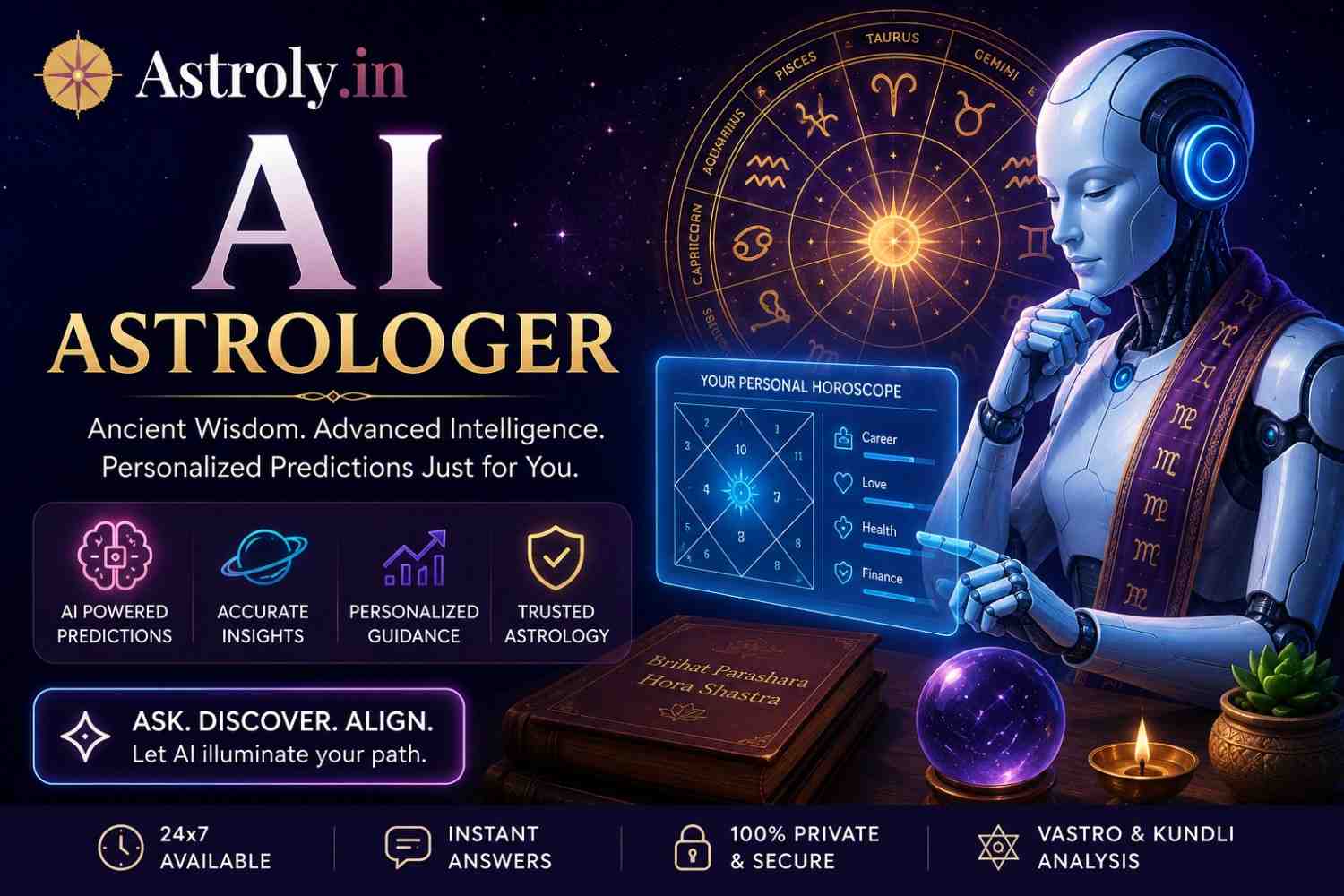
Strip away the buzzwords and it's pretty simple. An AI astrologer takes your birth details — date, time, place — runs the actual astronomical math, and then explains what it means in plain language.
No mystery, no vague guessing. Just your real chart, interpreted fast.
It's Not Trying to Be Your Grandmother's Astrologer
A human astrologer brings decades of intuition to a reading. That's irreplaceable, honestly. But not everyone has access to one, and not every question needs that depth.
An AI tool fills the gap. It handles the calculations instantly and explains them using the same frameworks astrologers have used for centuries — Vedic, Western, whatever system it's built on.
Why This Caught On So Fast
People are busy. Waiting two weeks for a 30-minute call about whether to take a job offer just doesn't work for most of us anymore. An app that answers in under a minute? That's the appeal, plain and simple.
How Does It Actually Work Behind the Scenes?
I was curious enough to dig into this myself. Turns out, the process isn't magic — it's math plus language.
Your birth date and time get run through an ephemeris (basically a table of where every planet was, at every moment, for centuries). That gives your exact chart. Then the AI layers on interpretation, using established astrological rules rather than making things up as it goes.
Your Birth Time Matters More Than You'd Think
I used to think the date was the only thing that mattered. Wrong. Your birth time changes your rising sign and your house placements, which shift a lot of the interpretation.
If you don't know your exact time, most apps will still work — you just get a slightly less precise reading. Worth digging up your birth certificate if you can.
The Conversational Part Is What Sold Me
What made Astroly feel different from a static horoscope page was that I could actually type a real question — "should I take this job" — and get an answer that referenced my actual chart, not a copy-paste horoscope shared with a million other Geminis.
Why People Keep Coming Back to These Apps
I'll be honest, I didn't expect to keep using it after that first night. But a few things kept pulling me back in.
It's There When You Actually Need It
Life's big questions don't schedule themselves around business hours. Mine hit at 2 AM. Yours might hit during a lunch break or right before a first date. An AI astrologer doesn't care what time it is.
It's Cheap, or Free
A single session with a well-known astrologer can run you $100+. Most AI astrology apps are free to start, with paid tiers for deeper readings. That price gap matters if you want to check in regularly, not just once a year.
No Awkward Small Talk
Sometimes you just want to ask about your ex without a human raising an eyebrow at you. AI doesn't judge. That alone makes some people more honest with their questions.
The Daily Horoscope Actually Feels Like Yours
Generic sun-sign horoscopes always felt like they were written for everyone and no one. A chart-based daily reading, tied to your actual birth data, hits differently.
What to Actually Look for Before You Download One
Not every astrology app is built the same, and I learned this the annoying way — by trying a few duds first.
Check the Calculation Engine
If an app can't tell you what astrological system it uses (Vedic, Western, sidereal, whatever), that's a red flag. The good ones are upfront about their math.
Does It Remember You?
A decent AI astrologer should hold onto your chart between sessions instead of asking for your birth details every single time. That continuity is what makes the advice feel personal instead of random.
How Does the App Handle Your Data?
You're handing over your birth time and location — sensitive stuff, in a way. Read the privacy policy before you commit. It should be clear, not buried in legal jargon.
Is It Actually Pleasant to Use?
This sounds shallow, but it matters. If the interface is cluttered or the answers are stiff and robotic, you'll stop using it within a week. Astroly leans into a chat-style format that feels more like texting a friend than filling out a form.
What People Actually Ask an AI Astrologer
After using one for a while, I noticed patterns in what I — and apparently most people — actually want to know.
"Should I Take This Job / Make This Move?"
Career timing questions come up constantly. The AI looks at current transits against your natal chart to flag whether the timing looks favorable or shaky.
"Are We Actually Compatible?"
Relationship questions are everywhere. People compare charts with partners to understand where they click and where they might clash.
"What's My Week Going to Look Like?"
Instead of a generic forecast, you get something rooted in your own chart's current transits, which feels a lot less like reading a fortune cookie.
"What's Actually Wrong With Me?" (Kidding. Sort Of.)
A lot of people use these apps just to understand their own patterns better — why they react the way they do, what their strengths are, where they trip themselves up.
Final Thoughts (and Where to Try This Yourself)
Look, I'm not saying an app replaces a real astrologer with thirty years of experience. It doesn't, and it's not trying to.
But for the 2 AM moments, the quick gut-checks, the "is this a good week to send that email" questions — an AI astrologer genuinely delivers. It's fast, it's judgment-free, and once you see your own chart explained clearly, it's hard to go back to generic horoscopes.
If you want to try it for yourself, or just . Takes about two minutes to get your first real reading.
Worth a shot, even if you're skeptical. I was too.
Frequently Asked Questions
Is an AI astrologer actually accurate? It depends on the app's calculation engine and how precise your birth details are. Apps that use real ephemeris data, like Astroly, produce results that line up closely with a manually calculated chart.
Can this replace an actual astrologer? Not really, and it's not meant to. It's great for quick, everyday questions. For deep, complex life readings, a human's intuition still adds something an algorithm can't.
What do I need to give it to get a reading? Your birth date, time, and location. Time is the one people often skip, but it actually changes your reading quite a bit.
Is it safe to hand over my birth info? Stick to apps that are upfront about their privacy policy. Most reputable ones store your data securely and don't sell it.
Does it cost anything? Most apps, Astroly included, let you start free. You can go deeper with paid features if you want more detail.
Can I ask it personal stuff, like about my relationship? Yes, and honestly that's most of what people ask. Career, love, timing — you can just type the question like you're texting someone.